Merchants have to pay a decent sized fee on every transaction, and that fee is definitely passed on to the consumer via higher prices. But it’s also (arguably unfairly) equally passed on to consumers paying cash.
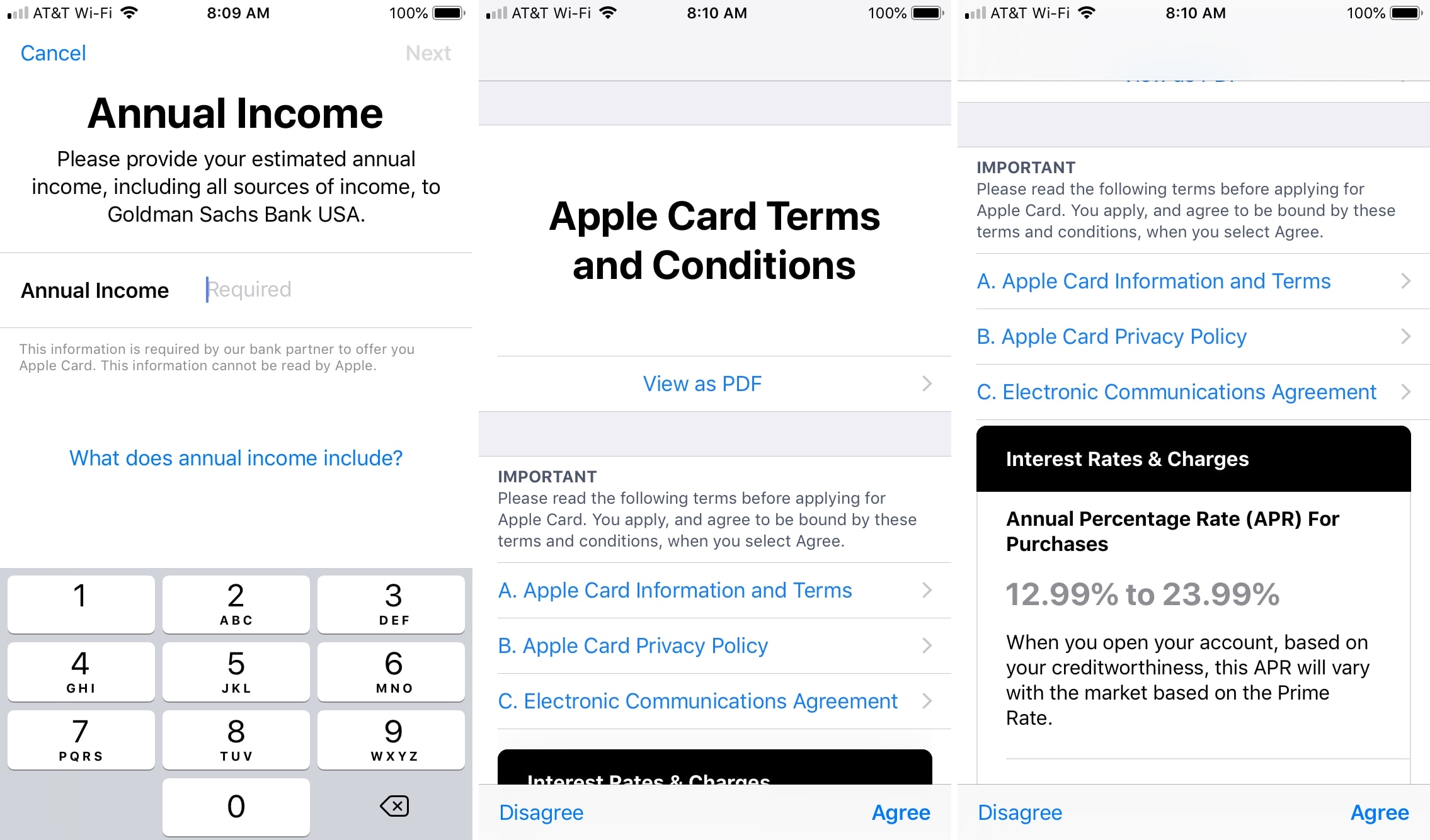
Can you show a screen shot of the page that the “what does annual income include?” text links to? Otherwise we are just debating the semantics of the word annual in this context.
The article I read announcing statewide rollout actually goes into some detail regarding what threshold the quake has to hit for notifying people. I found it interesting, because I had initially expected it to send out warnings for every quake. Some people complained that the app didn’t warn them about quakes they felt that had been quite mild, so they lowered the threshold for alert to more closely conform to people’s expectations (even though that level of shaking was very minor and not necessary to warn people about).
The article makes it seem like this hasn’t been studied in depth before (maybe just in the UK?). Sound like they were just trying to get baselines, and the next step would be to understand the whys.
Even “ships from and sold by amazon.com” products are comingled with potentially conterfeit products, unless a brand pays extra money for them not to be. No way for the end user to know if they’re getting comingled product.
Is that even a thing? I’ve never heard that being possible before. I would be willing to pay a premium for guaranteed non-commingled products. But Amazon commingles to make their own internal logistics easier.
According to [1] if the product has an EAN/UPC/ISBN barcode, it gets commingled, but vendors can put a sticker over it with a different barcode to prevent commingling.
Or the FBA label service [2] can apply the stickers for you, at 0.15/item
If they offered this option it would be an admission on Amazon's part that they know about the issues with co-mingling (which of course they must do by now, but they wouldn't be dumb enough to publicly admit it).
Baseball is a very local sport, you play the teams nearby you considerably more than you play any other teams. Also, as others mention, they’ll play multiple games in one location.